YUNTONG (TIANJIN) INDUSTRIAL CO.,LTD


Outdoor Unmanned AGV Factory: What to Confirm for Heavy Industrial Transport Projects
Choosing an outdoor unmanned AGV factory requires a project review that goes beyond load capacity. Outdoor industrial transport introduces site conditions that may not exist on a controlled indoor production route, while large workpieces also create their own requirements for dimensions, loading positions and transport planning.
For this reason, buyers should avoid assuming that an AGV used successfully in one outdoor project can be transferred directly to another site. The actual route, workpiece and operating conditions need to be provided for technical evaluation.
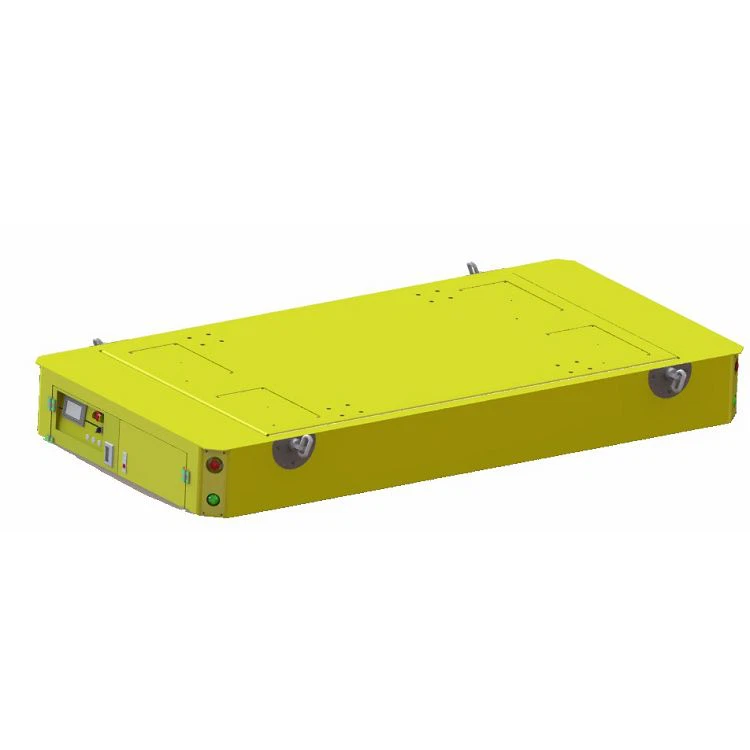
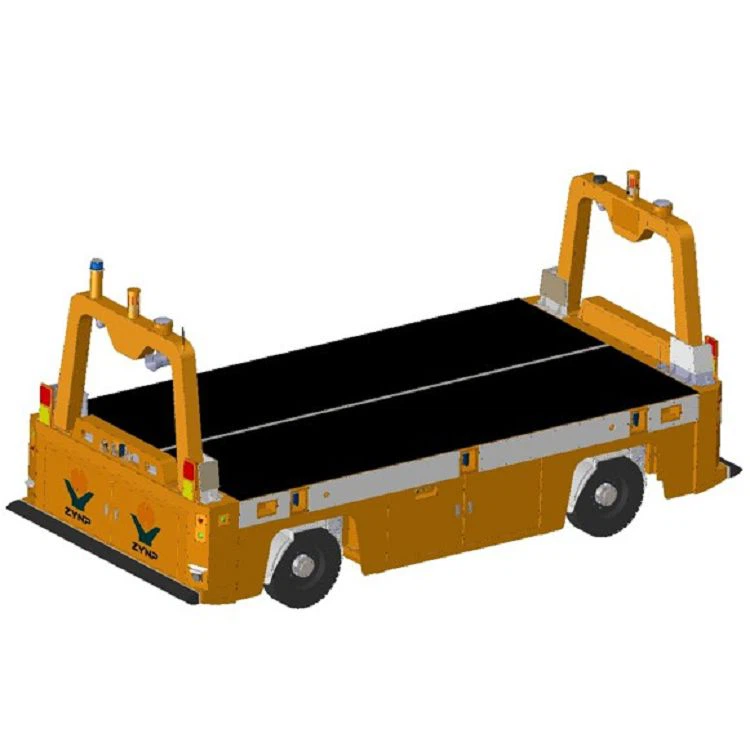
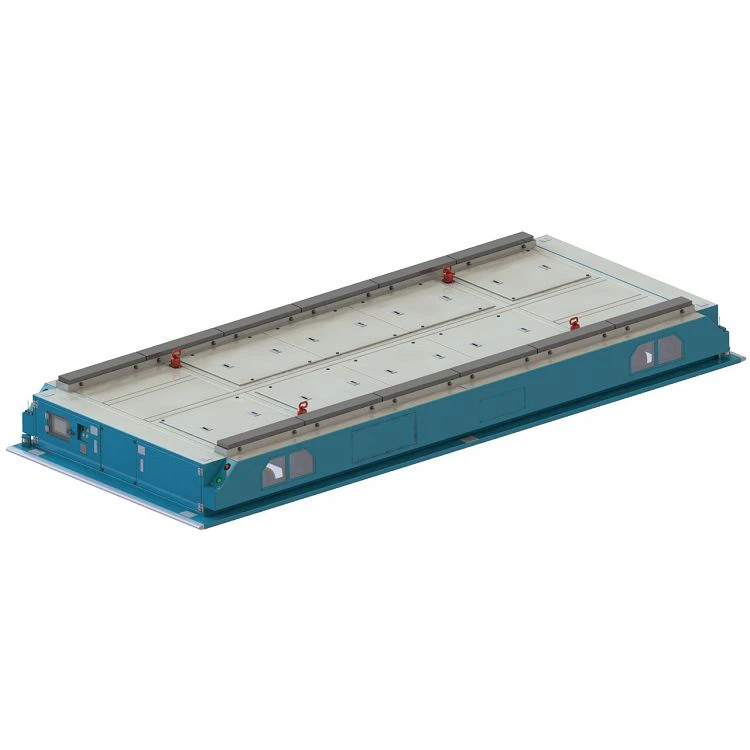
YUNTONG (TIANJIN) INDUSTRIAL CO., LTD. develops heavy-duty AGVs for the production, assembly, transportation and storage of large workpieces. Its stated application fields include aerospace, military industry, high-speed rail, wind power, ships and heavy trucks.
Describe the Outdoor Transport Task First
Before discussing an AGV configuration, define exactly what needs to move and where it needs to go.
A useful project description includes:
– Workpiece type
– Required load
– Workpiece dimensions
– Pickup location
– Destination
– Transport distance or route drawing
– Required transport frequency
– Loading method
– Unloading method
– Required quantity of AGVs
This information allows the manufacturer to evaluate the task as a complete transport process rather than as an isolated vehicle specification.
Outdoor Site Conditions Must Be Declared, Not Assumed
The word outdoor is too broad to define a technical requirement by itself.
A buyer should explain the actual operating environment and request confirmation that the proposed configuration is suitable for those conditions.
Relevant project information may include:
– Whether the route is fully outdoor or combines indoor and outdoor areas
– Ground conditions along the route
– Slopes or level changes if present
– Available route width
– Turning areas
– Crossings with other site traffic
– Operating environment
– Site restrictions
– Any environmental conditions that the AGV must be evaluated for
If a protection level, allowable temperature, weather capability or other environmental specification is required, it should be explicitly confirmed for the selected configuration. These values should not be assumed from the term outdoor unmanned AGV alone.
Evaluate the Workpiece Together with the Route
Heavy industrial workpieces may be extremely long, overweight or both. YUNTONG describes its heavy-duty AGVs as a solution for handling extremely long and overweight objects within industrial Internet of Things production systems.
According to the provided company information, YUNTONG has delivered heavy-duty AGVs with a maximum single load of 240 tons and provides technical support covering 10–1000 tons.
However, tonnage is only one project input.
Buyers should also provide:
– Workpiece length
– Workpiece width
– Relevant workpiece height
– Drawings
– Support locations
– Center-of-load information when available from the project
– Any restrictions on how the workpiece may be supported or handled
The technical team can then evaluate the transport requirement based on the complete workpiece rather than weight alone.
Check the Route for the Largest Transported Workpiece
When large equipment is transported outdoors, buyers need to consider the space occupied by the workpiece as well as the AGV.
A route that appears wide enough for a vehicle alone may still require further evaluation after the actual transported component is considered.
Before technical confirmation, prepare a route drawing showing:
– Start and end positions
– Narrow sections
– Turns
– Intersections
– Nearby structures
– Loading and unloading zones
– Changes between indoor and outdoor areas
– Any existing obstacles or restricted zones
Actual dimensional requirements should be verified against the technical proposal and site drawings.
Do Not Treat Outdoor Operation as a Single Product Feature
A common purchasing mistake is to search for an outdoor AGV and treat outdoor use as a yes-or-no specification.
For industrial projects, the better question is whether the proposed AGV configuration has been evaluated for the specific outdoor conditions at the project site.
When speaking with an outdoor unmanned AGV factory, buyers should clearly state the conditions that matter to the project and request confirmation in the technical documentation.
If a required capability is not stated in the supplied technical information, it should remain an item for confirmation rather than an assumption.
Plan Loading and Unloading Before Finalizing the Vehicle
Transport begins and ends with an interface.
The buyer should explain how the large workpiece reaches the AGV and what happens after it arrives at its destination.
Questions to resolve include:
– Where is the load placed on the AGV?
– What equipment is involved in loading?
– Where is the workpiece delivered?
– What is the required final position?
– Does the transport task connect to production, assembly or storage?
– Are there space restrictions around the transfer location?
These details can affect the overall project concept and should be discussed before technical approval.
Outdoor AGV Project Checklist
Workpiece Data
– Required load
– Overall dimensions
– Drawings
– Support points
– Handling restrictions
Route Data
– Site layout
– Start and destination
– Available route width
– Turning zones
– Indoor and outdoor sections
– Restricted areas
Operating Conditions
– Actual outdoor environment
– Ground conditions
– Site traffic conditions
– Relevant environmental requirements
– Any project-specific operating restrictions
Process Information
– Loading method
– Unloading method
– Transport frequency
– Required quantity
– Relationship with production, assembly or storage
Providing these details helps the supplier identify which technical points need further confirmation.
What Should Buyers Compare Between Outdoor Unmanned AGV Factories?
Supplier evaluation should focus on whether each proposal is based on comparable project requirements.
Before comparing prices, check:
– Whether the same load and workpiece dimensions were provided
– Whether the same route was evaluated
– Whether outdoor conditions were clearly communicated
– Whether loading and unloading are included in the project discussion
– Whether project-specific specifications are clearly identified
– Whether unknown items are marked for confirmation
– Whether technical drawings are required before final approval
– Whether the proposed scope is clearly defined
A lower or higher quotation cannot be properly interpreted if the technical scopes are different.
Common Mistakes in Outdoor Heavy-Load AGV Projects
Assuming every outdoor environment is the same
Outdoor operating requirements should be described according to the actual project site.
Selecting by load capacity alone
Workpiece geometry and route conditions also require evaluation.
Ignoring the transported workpiece when checking route space
The route should be evaluated for the complete transport task.
Copying a configuration from another project
Different sites may have different ground, space, process and environmental conditions.
Failing to identify unconfirmed requirements
If an environmental or operating specification has not been confirmed, buyers should request written technical verification for the current project.
Sending no route drawing
For heavy industrial transport, a route layout gives the technical team important context that cannot be obtained from load data alone.
FAQ
What information should I send to an outdoor unmanned AGV factory?
Prepare the workpiece weight and dimensions, drawings, transport route, pickup and delivery positions, required quantity, loading method and actual outdoor operating conditions.
Can an outdoor AGV specification be selected only from load capacity?
No. The workpiece, route, operating environment and handling process should also be evaluated.
What heavy-load capacity has YUNTONG already delivered?
According to the provided company information, the maximum single load successfully delivered by YUNTONG is 240 tons.
Does YUNTONG provide technical support for larger heavy-load projects?
The supplied information states technical support in the 10–1000 ton range. The configuration for an individual project still requires technical evaluation.
What industries are covered by YUNTONG heavy-duty AGV applications?
The provided company information lists aerospace, military industry, high-speed rail, wind power, ships and heavy trucks.
How should buyers confirm whether an AGV is suitable for their outdoor environment?
Provide the actual site and environmental requirements and request project-specific technical confirmation. Required environmental specifications should not be assumed if they have not been stated for the selected configuration.
Conclusion
Selecting an outdoor unmanned AGV factory should start with the actual transport project. The workpiece, outdoor route, ground and site conditions, loading method and operating process all provide information needed for technical evaluation.
For a project discussion with YUNTONG, buyers should prepare the confirmed load, workpiece dimensions and drawings, route layout, pickup and delivery points, outdoor operating conditions, required quantity and loading method. This information allows the technical team to identify project-specific requirements and determine which specifications must be confirmed before the AGV configuration and quotation are finalized.