YUNTONG (TIANJIN) INDUSTRIAL CO.,LTD


Industrial Material Handling Electric Rail Transfer Cart: Efficient Solutions for Heavy-Duty Transport
In modern manufacturing and logistics environments, efficient and safe material movement is critical to operational success. Industrial material handling electric rail transfer carts are widely used for transporting heavy loads along fixed routes, offering a reliable and cost-effective alternative to forklifts and overhead cranes.
This article explores how electric rail transfer carts work, their key advantages, typical applications, and important considerations for industrial deployment.

What Is an Electric Rail Transfer Cart?
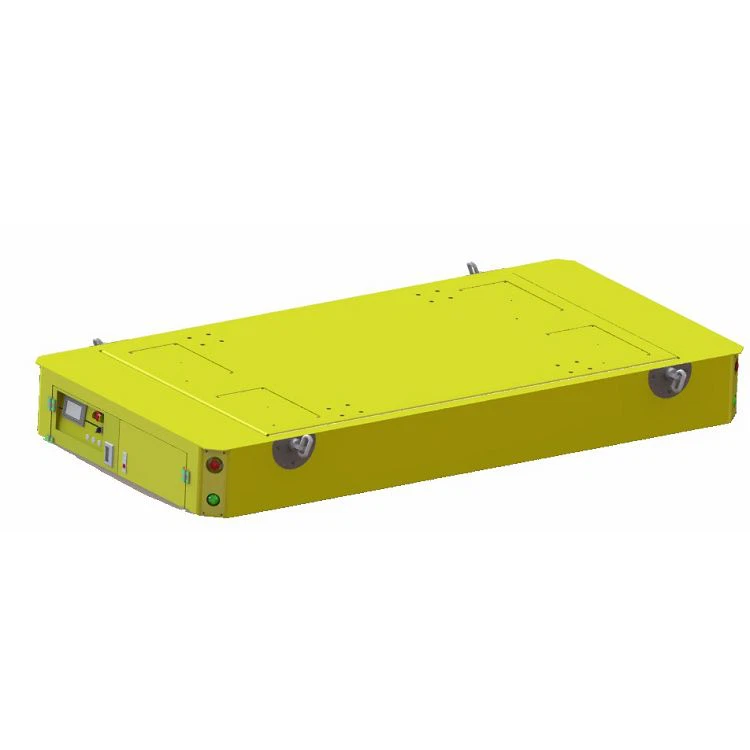
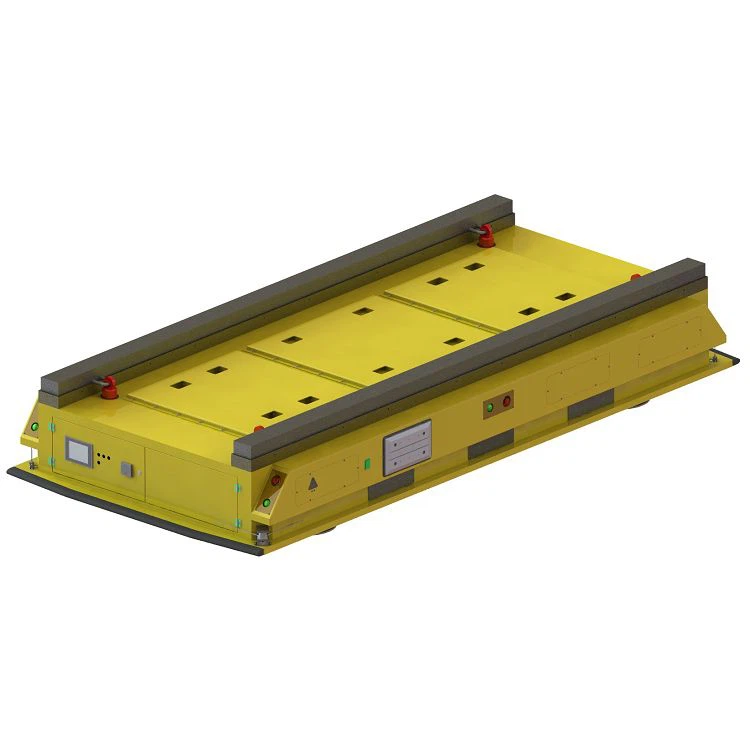
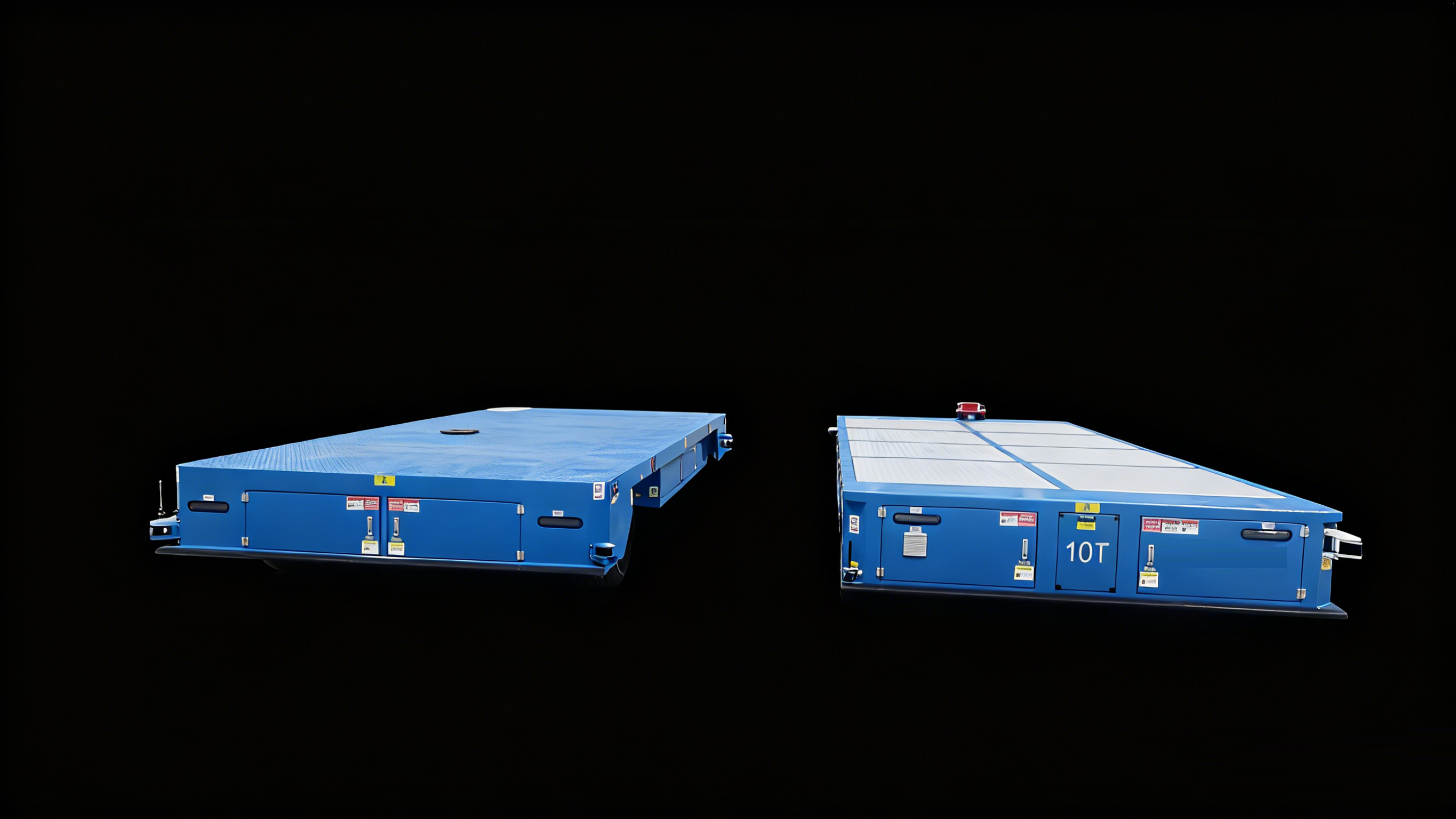
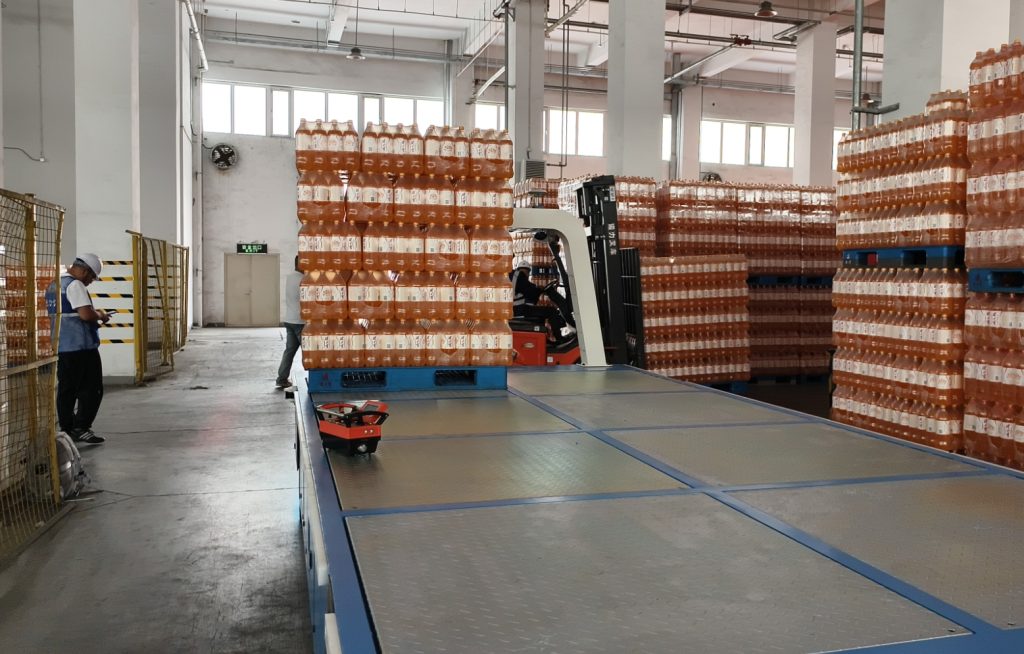
An electric rail transfer cart is a rail-guided material handling vehicle powered by electricity and designed to move heavy loads along fixed tracks. These carts operate on steel rails embedded in the floor or mounted on the surface, ensuring stable and predictable movement.
Common power supply options include:
- Cable-powered systems
- Battery-powered systems
- Conductor rail systems
Electric rail transfer carts are often custom-built to meet specific load capacity, platform size, and operational requirements.
Key Features and Technical Advantages
1. High Load Capacity
Electric rail transfer carts are capable of handling loads ranging from a few tons to several hundred tons, making them ideal for heavy industrial applications.
2. Stable and Controlled Movement
Rail guidance ensures precise positioning and smooth transport, even when handling oversized or irregular loads.
3. Electric Drive System
Electric motors provide clean, energy-efficient operation with lower operating costs compared to diesel-powered alternatives.
4. Customizable Design
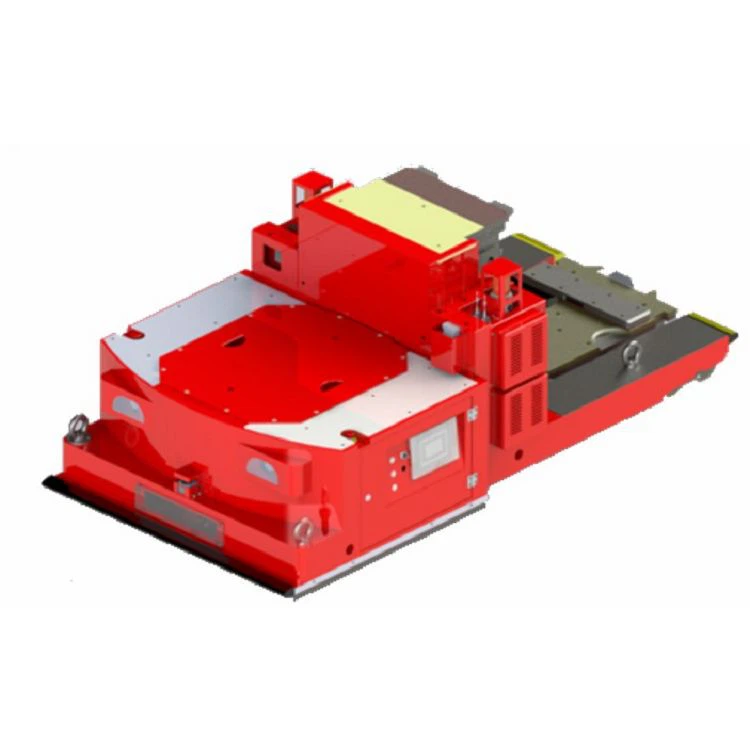
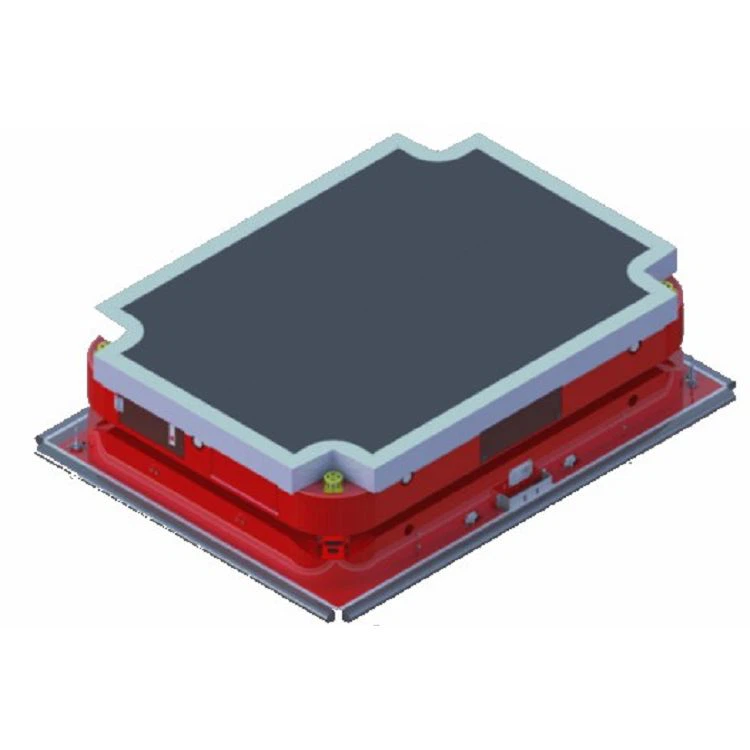
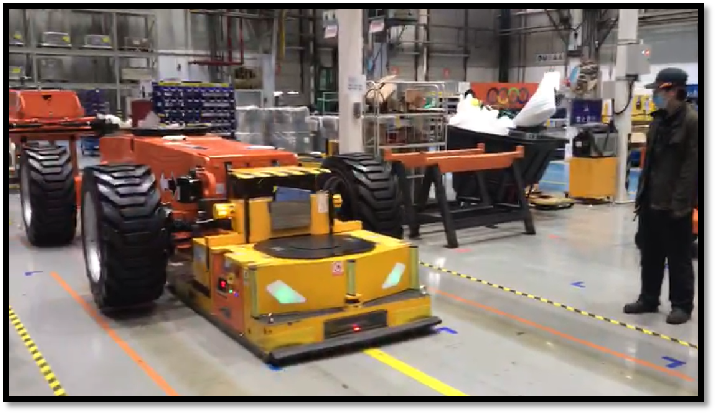
Carts can be customized with lifting mechanisms, turntables, V-shaped frames, or automated controls to match specific material handling needs.