YUNTONG (TIANJIN) INDUSTRIAL CO.,LTD


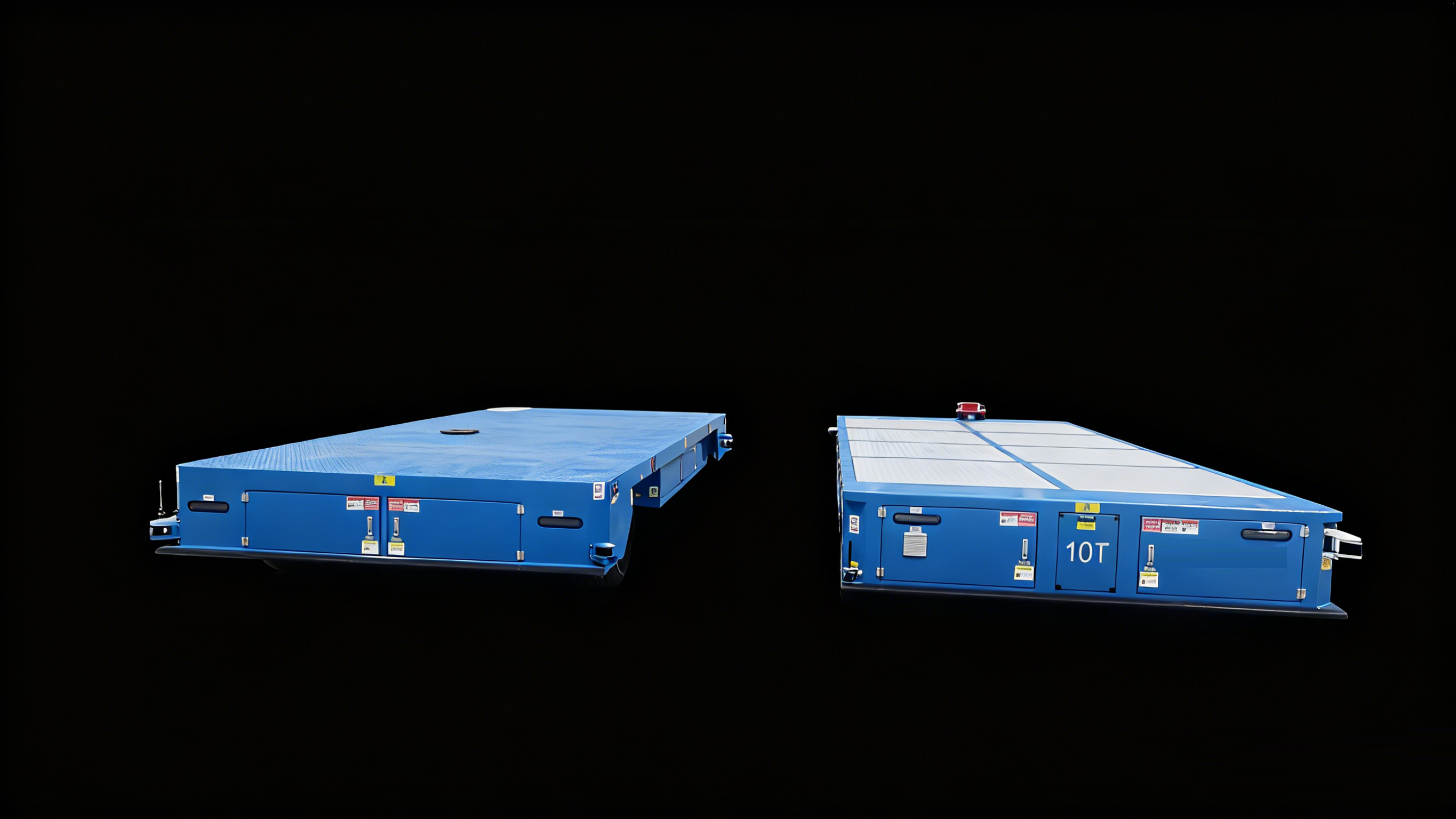
Battery operated cart for heavy load

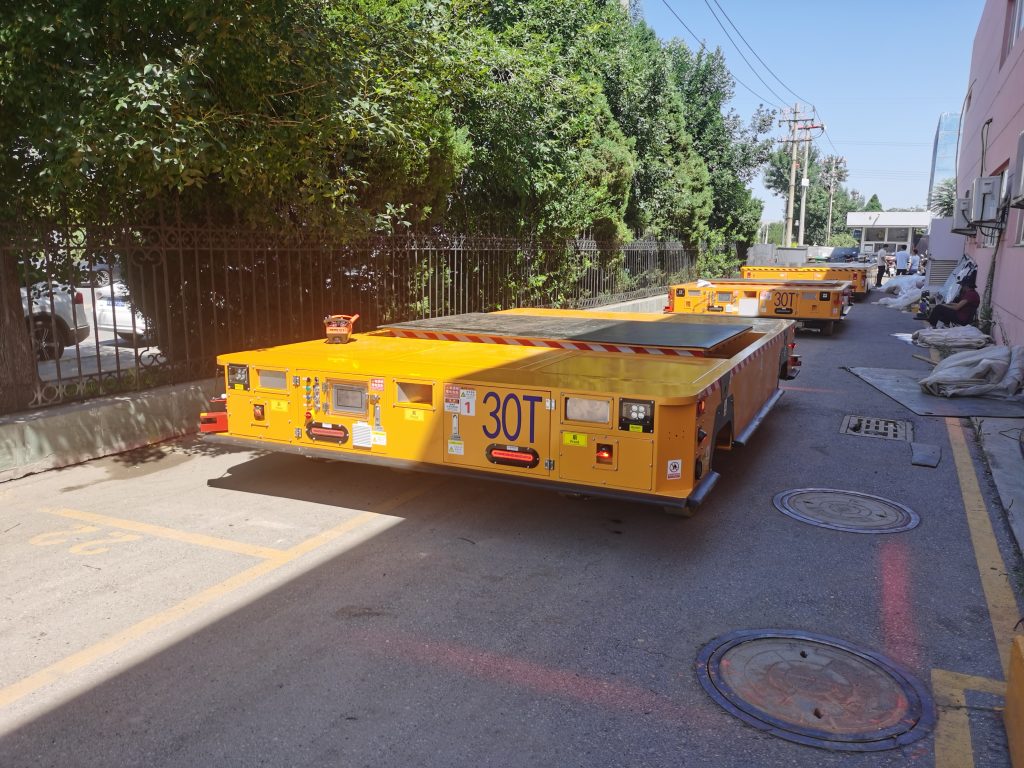
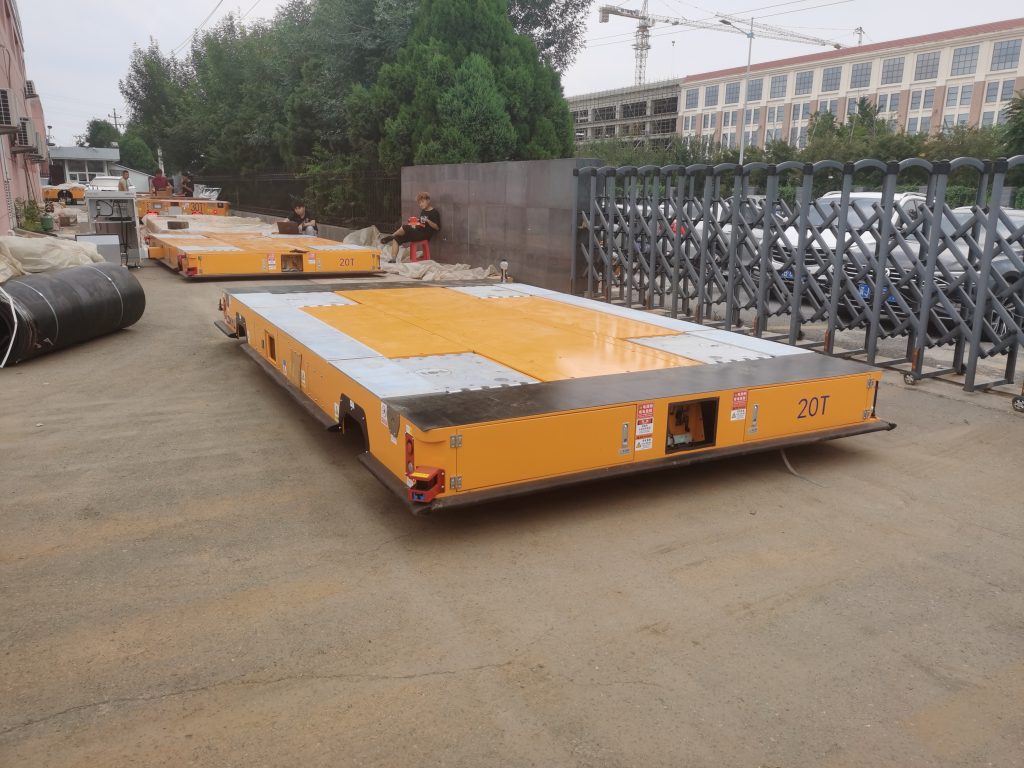
What is a Battery Operated Cart for Heavy Load?
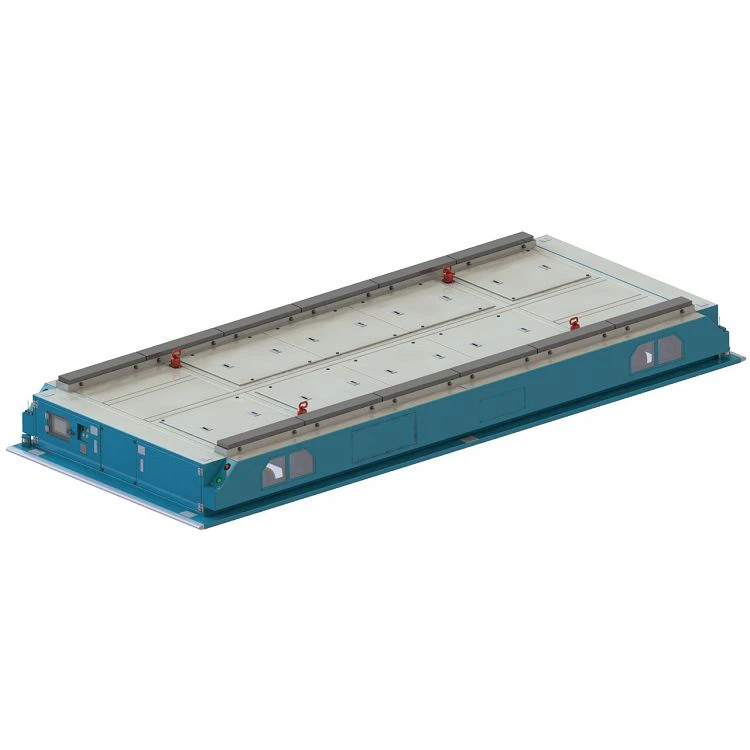
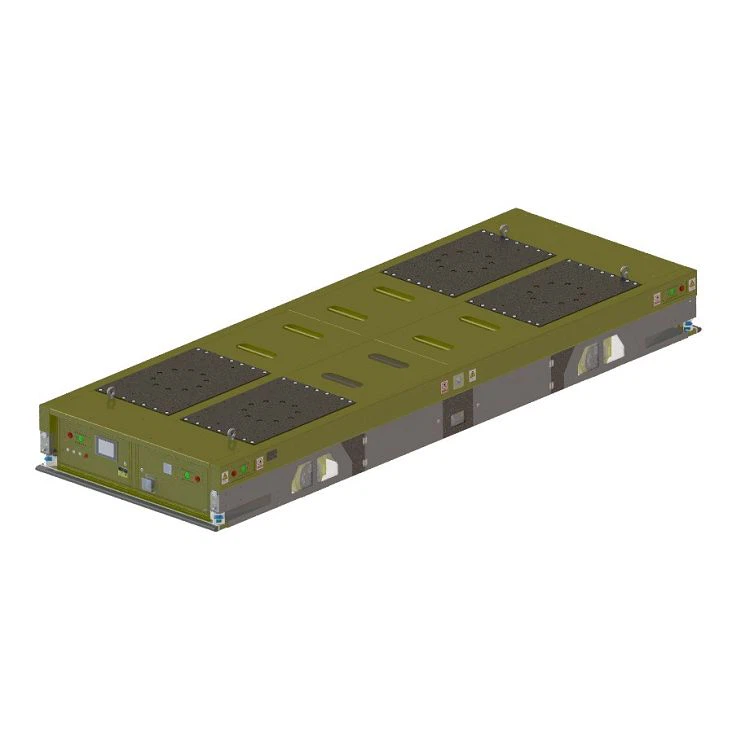
A battery operated cart, often called an electric utility cart or powered hand truck, is a motorized vehicle designed to transport heavy items with minimal manual effort. Unlike traditional manual carts, it uses a rechargeable battery and an electric motor to drive the wheels, making it possible to move loads of 500 lbs, 1,000 lbs, or even more with ease. Key components include:
- Electric Motor: Provides the driving force.
- Rechargeable Battery Pack: Typically 24V or 36V Lithium or Lead-Acid.
- Ergonomic Control Handle: For steering, acceleration, and braking.
- Robust Platform/Deck: Designed to handle heavy duty loads.
- Safety Features: Such as electromagnetic brakes and warning horns.
Key Advantages of Using an Electric Cart for Heavy Loads
Investing in a heavy duty battery powered cart offers transformative benefits:
- Unmatched Efficiency & Productivity: Move loads 3-4x faster than manual handling. Operators cover more ground with less fatigue, accelerating workflow.
- Enhanced Operator Safety & Ergonomics: Dramatically reduces the risk of musculoskeletal injuries (strains, sprains, back injuries) associated with pushing/pulling heavy weights. The motor does the hard work.
- Superior Power & Handling: Conquer inclines, ramps, and uneven surfaces like dock plates effortlessly. Precise control allows for safe navigation in tight aisles.
- Cost-Effectiveness: While an initial investment, it lowers long-term costs by reducing injury-related absenteeism, worker compensation claims, and product damage from drops.
- Versatility Across Industries: A single industrial electric cart can be adapted for countless tasks with various attachments (cages, racks, lift platforms).
Who Needs a Heavy Load Electric Cart? (Application Spotlight)
- Warehousing & Logistics: Moving pallets, bulk boxes, appliances, and stacked goods.
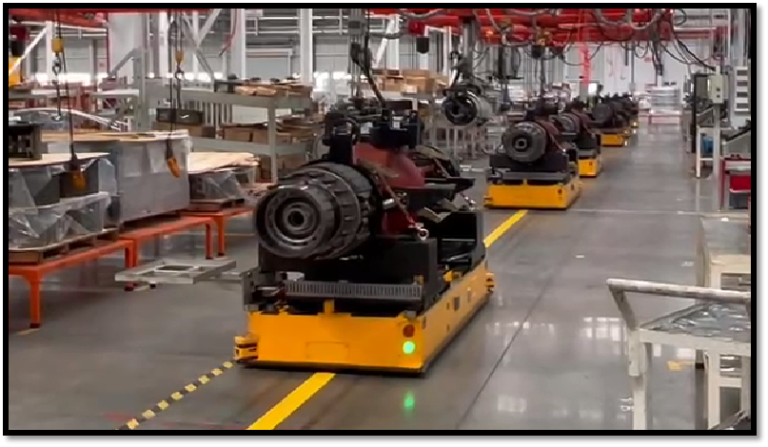
- Manufacturing & Assembly: Transporting raw materials, components, and finished products between stations.
- Retail & Stockrooms: Handling delivered inventory, especially large items like furniture or electronics.
- Hospitality & Event Management: Moving kegs, food supplies, tables, chairs, and AV equipment.
- Aviation & Ground Support: Transporting baggage, cargo, and equipment on tarmacs.
- Agriculture & Nurseries: Moving heavy pots, tools, and harvest produce.
Choosing the Right Battery Powered Cart: A Buyer’s Checklist
Selecting the best motorized cart for heavy loads requires evaluating your specific needs:
- Load Capacity: Choose a cart rated for your maximum typical load. It’s wise to have a 20-30% buffer.
- Battery Type & Runtime:
- Lithium-ion Batteries: Lighter, faster charging, longer lifespan, maintenance-free. Higher upfront cost.
- Lead-Acid Batteries: More affordable initially but heavier and require regular maintenance.
- Ensure the battery life covers a full shift on a single charge.
- Maneuverability & Size: Consider the deck size, overall dimensions, and turning radius relative to your aisles and doorways.
- Key Features: Look for variable speed control, a reliable braking system, durable tires (polyurethane or pneumatic), and necessary safety certifications.
- Attachments & Accessories: Identify if you need sides, gates, straps, or a lift function.
Maximizing Your Investment: Tips for Operation & Maintenance
- Operator Training: Ensure all users understand controls, load limits, and safety protocols.
- Battery Care: Follow manufacturer charging guidelines. Avoid fully draining batteries regularly.
- Routine Checks: Inspect tires, brakes, and structural components periodically.
- Proper Loading: Distribute weight evenly and secure the load before moving.