YUNTONG (TIANJIN) INDUSTRIAL CO.,LTD


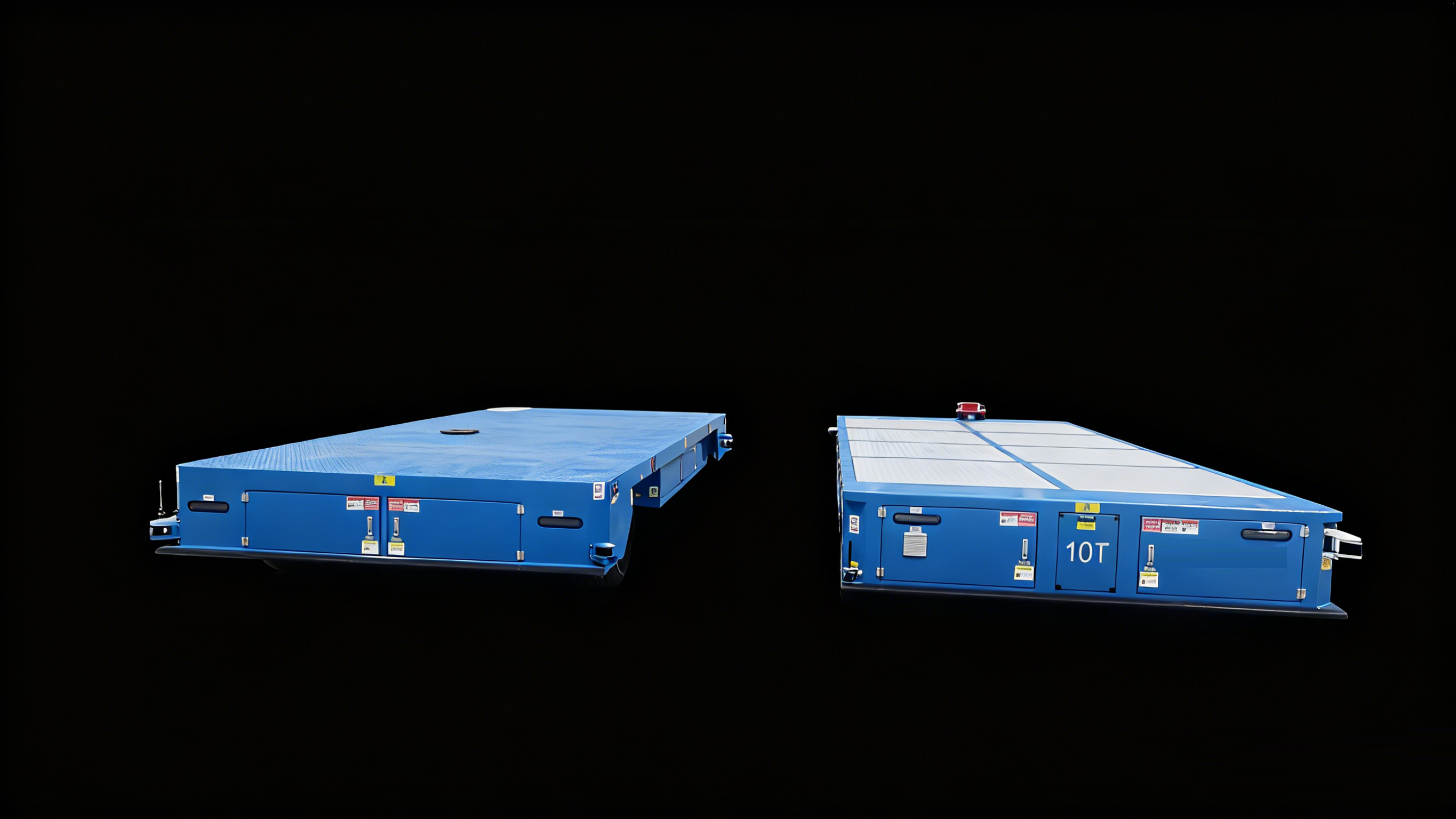
Trackless Transfer Carts Manufacturer: Custom Heavy-Duty Solutions for Industrial Material Handling
Choosing the right trackless transfer carts manufacturer is a critical decision for industries that require flexible, safe, and efficient heavy-load transportation. Trackless transfer carts are widely used in manufacturing plants, steel mills, shipyards, and warehouses where fixed rails are impractical or limit operational flexibility.
This article explains what trackless transfer carts are, why manufacturer expertise matters, and how to evaluate a reliable manufacturer for your industrial material handling needs.
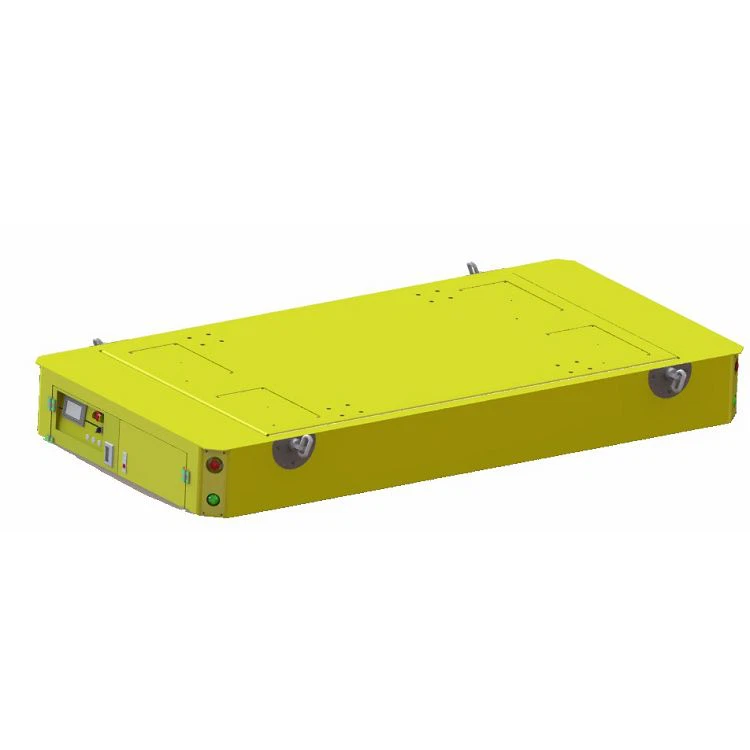
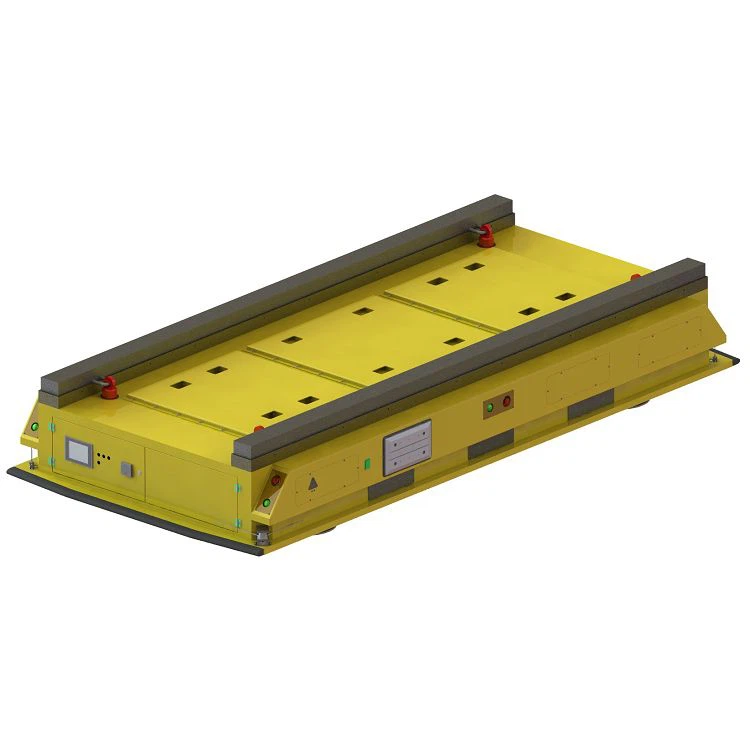
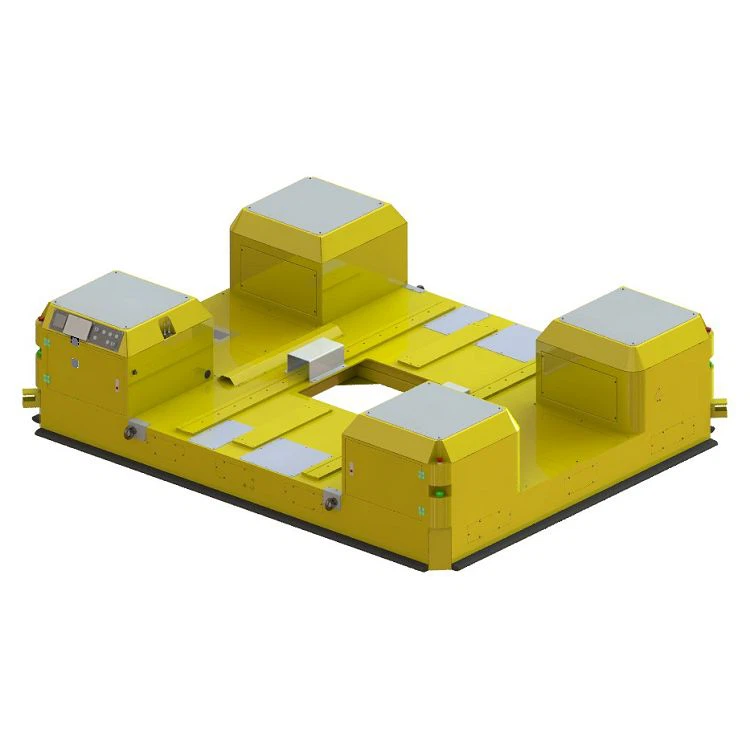
What Are Trackless Transfer Carts?
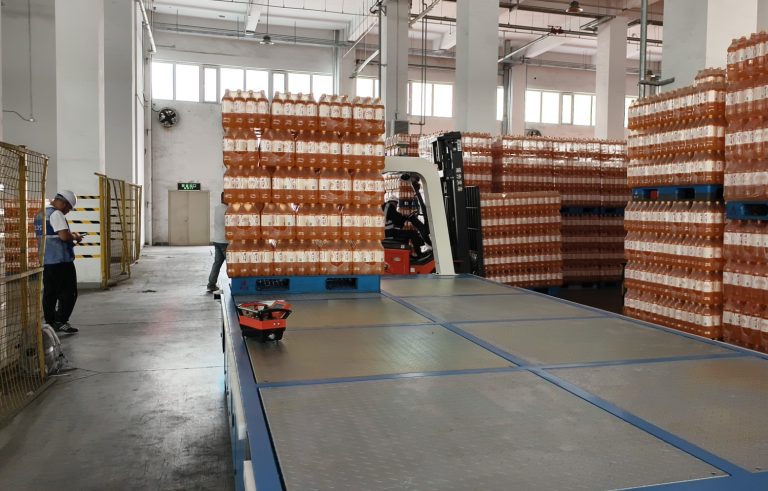
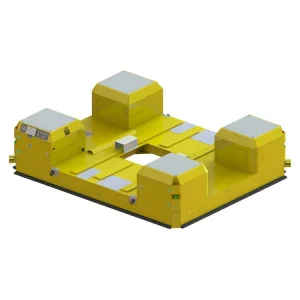
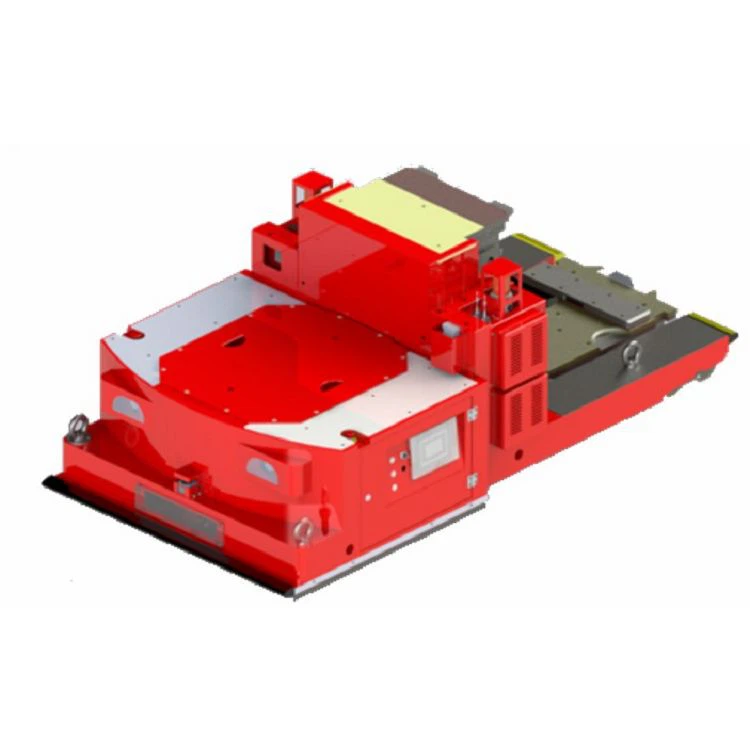
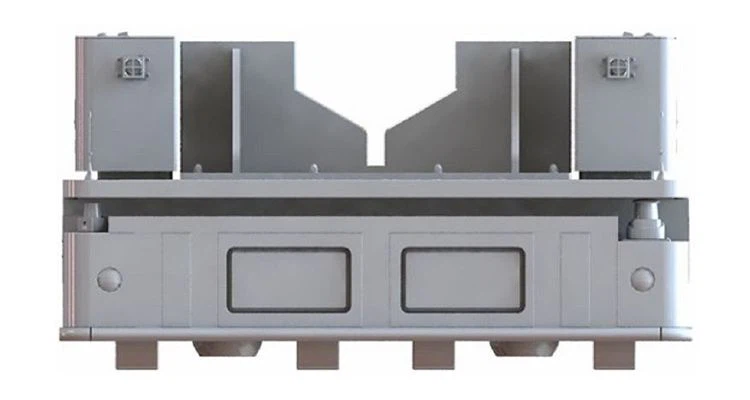
Trackless transfer carts are self-propelled industrial vehicles designed to transport heavy loads without rails or fixed guidance systems. They operate on factory floors using electric drive systems and advanced steering mechanisms.
Typical features include:
- High load capacity for heavy industrial materials
- Trackless operation with flexible routing
- Electric or battery-powered systems
- Manual, remote, or automated control options
These carts are often custom-engineered based on specific load and operating requirements.
Why Manufacturer Experience Matters
A professional trackless transfer carts manufacturer provides more than just equipment. Manufacturer experience directly affects safety, performance, and long-term reliability.
Key factors include:
- Engineering capability for heavy-load design
- Load distribution and structural analysis
- Drive and steering system optimization
- Safety system integration
- Customization and after-sales support
Poorly designed carts can lead to floor damage, instability, and operational risks.
Customization Capabilities
Leading manufacturers offer customized solutions based on:
- Load weight, dimensions, and center of gravity
- Operating environment and floor conditions
- Required turning radius and steering modes
- Automation level and control systems
Customization ensures optimal performance and safe operation in real-world industrial environments.
Common Industrial Applications
Manufacturing and Assembly Plants
Trackless transfer carts move molds, dies, machinery, and large components between workstations.
Steel and Metal Processing
In steel mills and fabrication facilities, these carts handle coils, slabs, and heavy structures.
Shipbuilding and Heavy Equipment
Trackless carts transport oversized components where cranes or rails are impractical.
Trackless Transfer Carts vs Rail-Guided Systems
| Feature | Trackless Transfer Carts | Rail-Guided Transfer Carts |
|---|---|---|
| Route flexibility | High | Fixed |
| Installation | No rails required | Rails required |
| Layout changes | Easy | Limited |
| Deployment speed | Fast | Slower |
| Long-term flexibility | High | Low |
Automation and System Integration
Modern trackless transfer carts can be equipped with:
- PLC or AGV control systems
- Anti-collision and safety sensors
- Wireless communication modules
- Integration with WMS, MES, or ERP systems
This allows seamless coordination with existing production and logistics workflows.
Safety and Compliance
A qualified manufacturer designs carts with:
- Emergency stop systems
- Speed and braking control
- Load stability and anti-tip protection
- Compliance with industrial safety standards
Safety should always be a top priority when transporting heavy loads.
How to Choose the Right Trackless Transfer Carts Manufacturer
When evaluating manufacturers, consider:
- Proven industry experience
- Custom engineering capabilities
- Quality control and testing processes
- After-sales service and technical support
- Ability to meet international standards
Working with an experienced manufacturer reduces risks and ensures long-term operational success.