YUNTONG (TIANJIN) INDUSTRIAL CO.,LTD



Automated Guided Vehicles in Warehouse: Improving Efficiency and Smart Logistics
Automated Guided Vehicles (AGVs) are becoming an essential technology in modern warehouse operations. As e-commerce growth and supply chain demands increase, warehouses must improve efficiency, accuracy, and safety. Automated guided vehicles in warehouse environments provide a reliable solution for automating internal material movement, reducing labor dependency, and supporting 24/7 logistics operations.
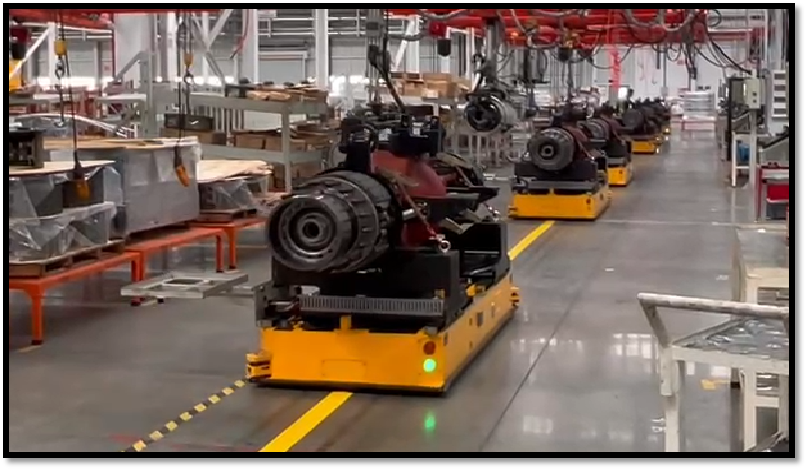
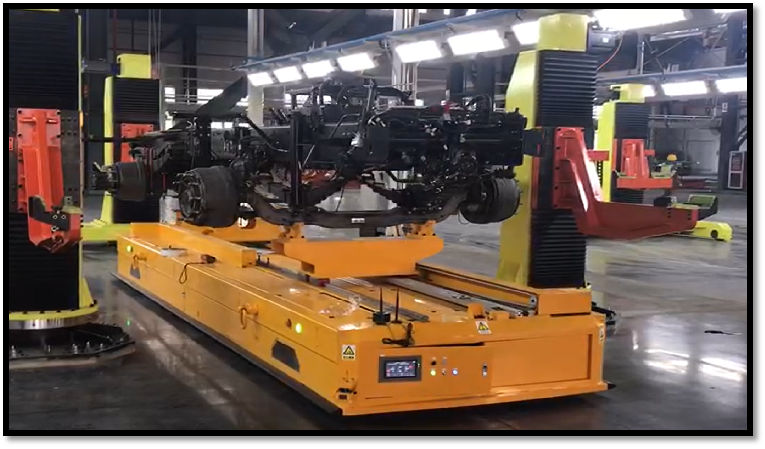
What Are Automated Guided Vehicles in Warehouse Operations?
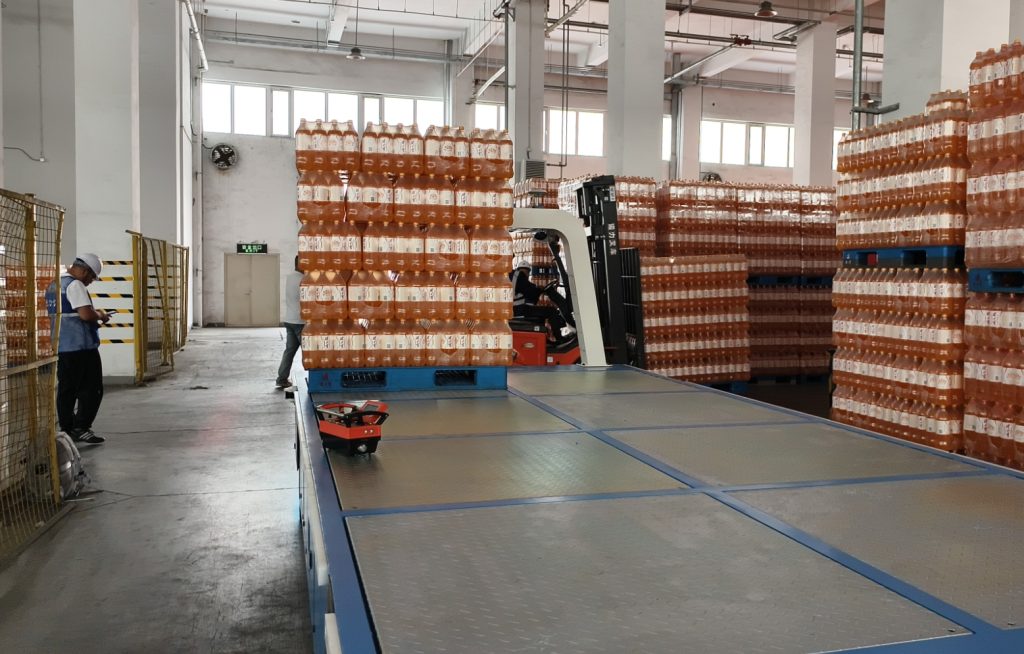
Automated guided vehicles in warehouse settings are driverless vehicles designed to transport pallets, cartons, containers, and goods between storage, picking, and shipping areas. AGVs follow predefined routes or intelligent navigation systems such as magnetic tape, laser guidance, QR codes, or SLAM navigation.
By replacing manual forklifts and pallet trucks, AGVs help warehouses maintain consistent material flow and reduce human error.
How Automated Guided Vehicles Work in Warehouses
AGVs operate through a combination of sensors, navigation systems, and fleet management software. A central control system assigns transport tasks, monitors vehicle positions, and optimizes traffic flow.
AGVs can automatically handle inbound goods, move inventory to storage locations, support order picking, and deliver finished orders to outbound docks. Safety scanners and obstacle detection systems ensure secure operation alongside human workers.
Types of Automated Guided Vehicles Used in Warehouses
Warehouses deploy different AGV types based on operational needs:
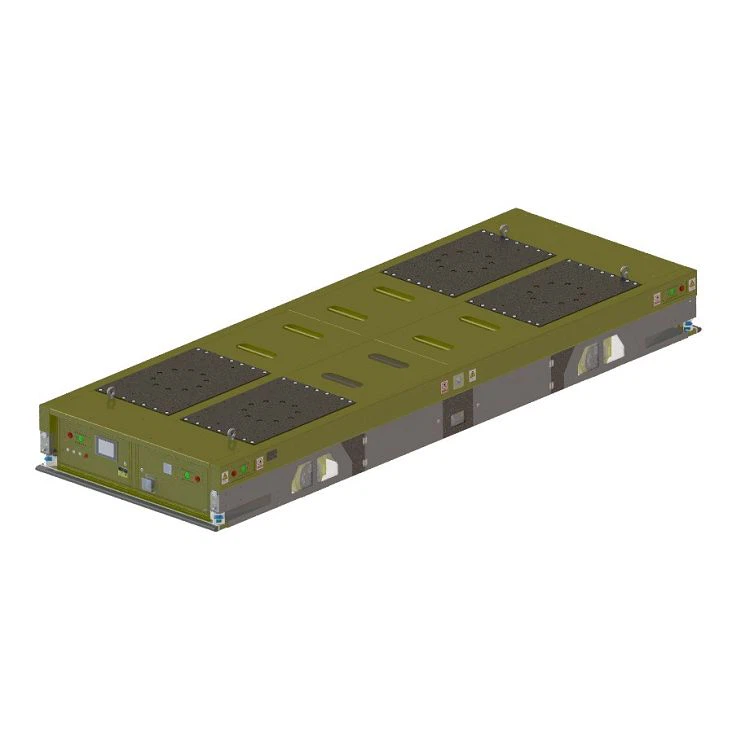
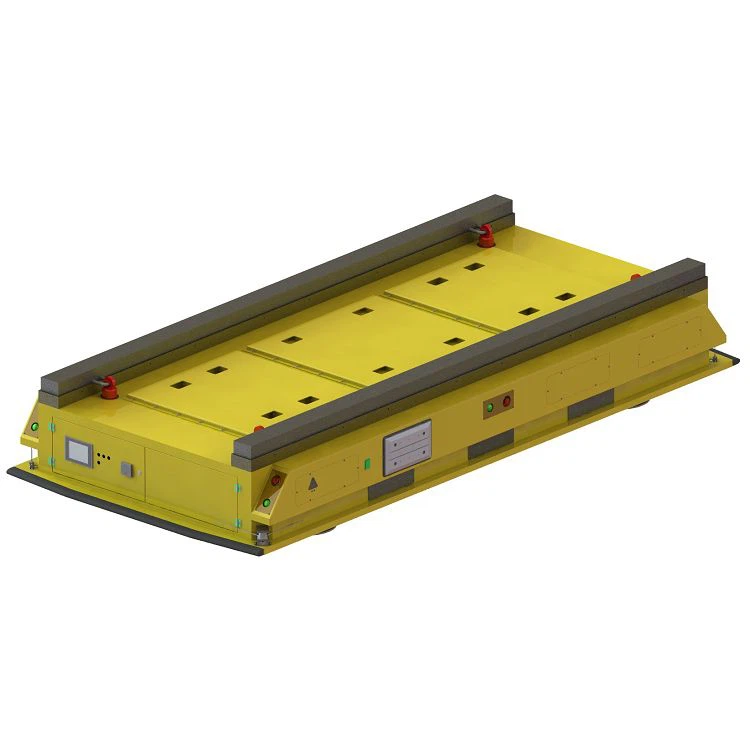
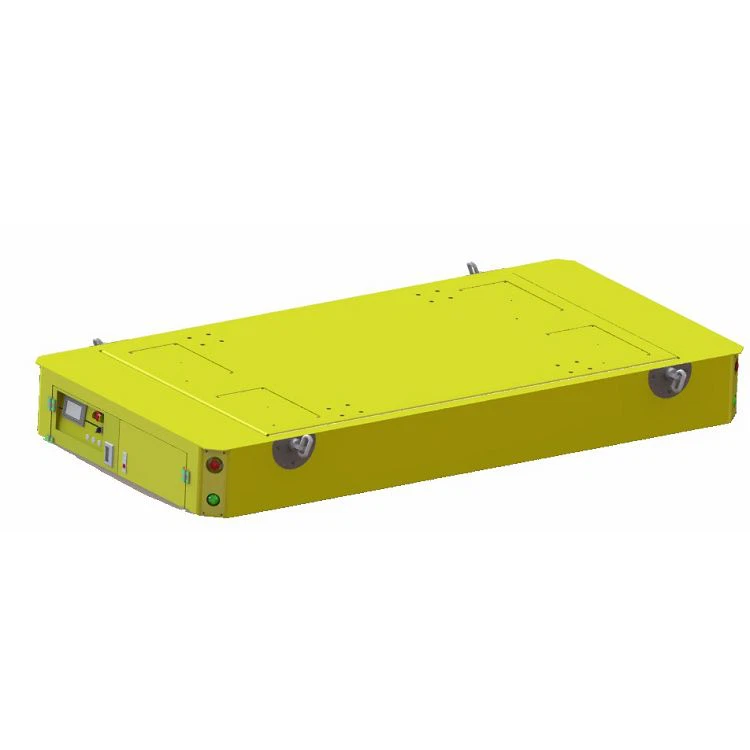
AGV Pallet Transporters
Designed for moving pallets between receiving, storage, and shipping areas.
AGV Forklifts
Automate lifting, stacking, and high-rack storage operations.
Tugger AGVs
Pull multiple carts to support batch transportation and replenishment.
Unit Load AGVs
Use conveyors or lift platforms to transport cartons, totes, or containers.
Customized Warehouse AGVs
Built for narrow aisles, high-density storage, or specialized warehouse layouts.
Key Benefits of Automated Guided Vehicles in Warehouse Automation
Increased Productivity
AGVs operate continuously without fatigue, improving throughput and reducing delays.
Improved Workplace Safety
Equipped with sensors, emergency stops, and collision-avoidance systems, AGVs reduce accidents and damage.
Lower Labor Costs
Automation reduces reliance on manual handling and minimizes labor shortages.
High Accuracy and Reliability
AGVs follow precise routes, ensuring consistent and error-free material transport.
Scalable Automation
Warehouse operators can expand AGV fleets as order volumes increase.
Applications of AGVs in Modern Warehouses
Automated guided vehicles in warehouse environments support a wide range of applications, including:
- Pallet movement and staging
- Order picking support
- Inventory replenishment
- Cross-docking operations
- Automated loading and unloading
AGVs vs. Traditional Warehouse Equipment
Compared with forklifts and conveyor systems, AGVs offer higher flexibility, improved safety, and lower long-term operating costs. They can adapt to layout changes with minimal infrastructure modifications and integrate easily with digital warehouse management systems.
Integration With Warehouse Management Systems
AGVs integrate seamlessly with WMS, ERP, and other digital platforms. This enables real-time inventory tracking, automated task assignment, and data-driven optimization. Such integration supports smart warehouse development and enhances overall operational visibility.
Why Automated Guided Vehicles Are the Future of Warehousing
As warehouses move toward Industry 4.0, AGVs serve as a foundation for intelligent logistics. Their ability to automate repetitive transport tasks, operate reliably, and scale with business growth makes them an indispensable solution for future-ready warehouses.
Conclusion
Automated guided vehicles in warehouse operations deliver significant improvements in efficiency, safety, and cost control. By automating material movement and integrating with smart management systems, AGVs help warehouses achieve higher productivity and operational stability. For businesses seeking competitive advantage in logistics, AGVs represent a proven and scalable automation solution.